Thursday, November 25, 2010

DINNER DANCE WITH THE "DEGENERATES"


Posted by Picasa


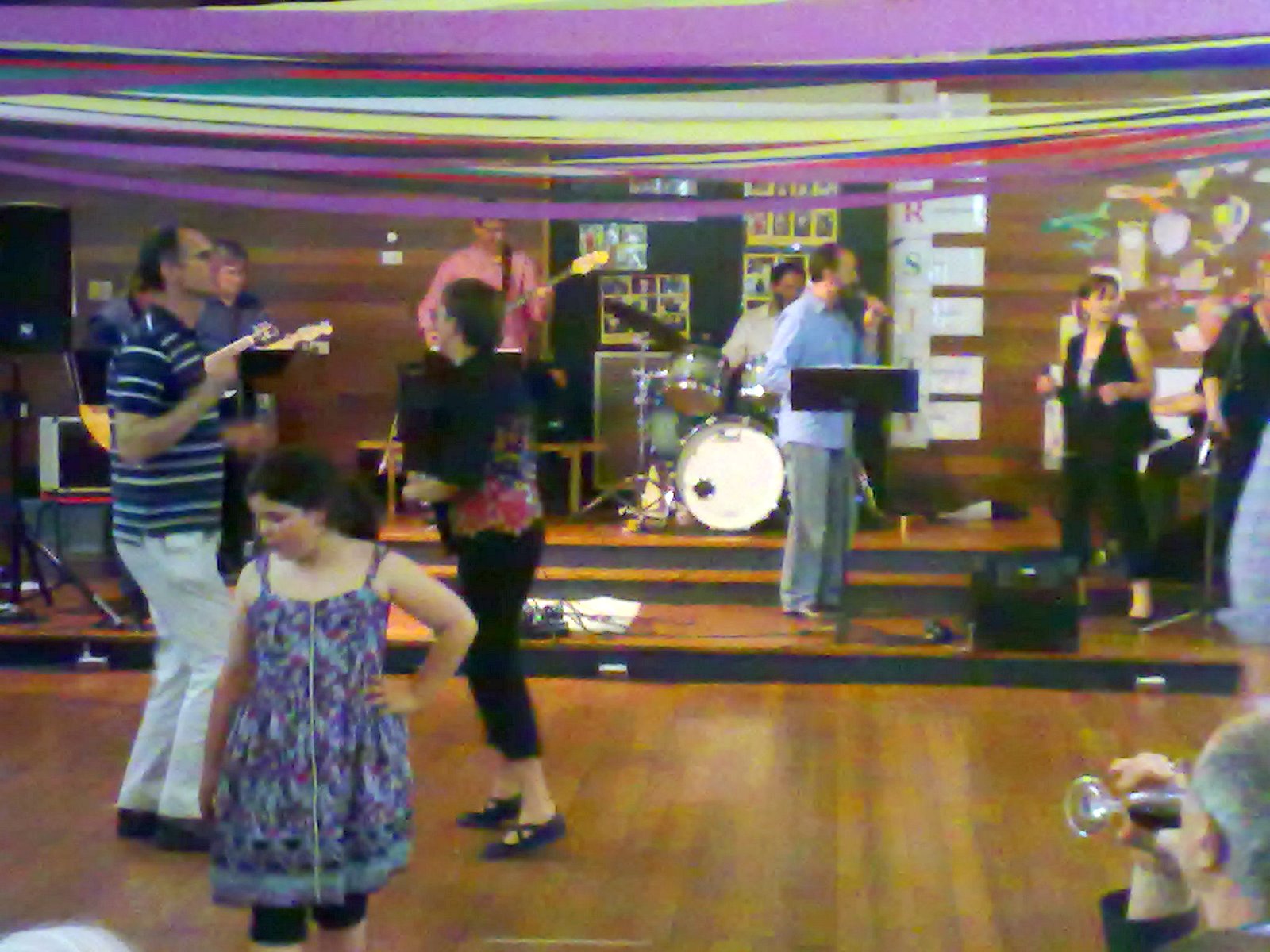
We held another Fundraiser last Saturday when we were entertained and danced to the wonderful music of the "The Degenerates" who donated their services for our dinner dance.
A total of $773 was raised inclusive of the raffle, ticket sales and donations. What a pity more parishioners were not able to attend this most enjoyable night of music from a marvellous band whose performance seems to become more polished each year.

However the MALAWI SUPPORT GROUP wish to thank the few parishioners who attended and enjoyed a range of music from Christmas carols to Abba and a host of other fantastic dance numbers where a well known parishioner couple really showed their prowess. A few people even enjoyed the evening by just sitting, watching and tapping their feet to the playing and singing by the talented group.
Thankfully the numbers were made up on the night by a band member who is also a Malawi support member bringing along a large group of family and friends along that brought the ticket sales up to a total of $310. A door prize of chocolates and a bottle of wine was won by one of the visiting supporters.
A number of parishioners who could not attend made donations towards the function and these were even added to by others on the night that gave an amazing total of $320 worth of donations for the benefit of our Sister Parish. Thank you so much to all who contributed in this way.
A raffle was run on the night for the great prize of a $100 account that was donated by the manager of the Catholic Development Fund. This raffle raised the amount of $143 that brought the total raised from the function to $773.
Thank you again to all who continue to support the Group in it's work

Monday, October 25, 2010

LETTER FROM FR. TAYLOR

Dear Lindsay & Malawi Support Group,

I am promising when I get free I will learn the computer skills!

At this time I was giving a retreat to sisters and nice to get a break from the buildings.

The wall around the church at Ntandire is progressing. The Christians are building it up to 2.5 metres. They finished building a kitchen since they received a gift of ceramic stoves to cut down on the wood used by more than 50%. .The woman of the Church have started a nursery school with over 100 children. They are fed 3 times a week. In 2011 I will build 2 classrooms for babies and high babies. The women take turns to teach and cook on a voluntary basis – fantastic! The school fees project and the funding of the children for both places are going very well.

We have started the new academic year and I have a balance of $500 which will start some of the new students and also pay for the existing ones who haven’t finished. I do have a list of the students and how much they receive. I‘m sure I should send it to you by email sometime. I will recruit someone to help me. We are having a visit from the ‘First Lady’ on the 23rd October, so the women are busy for the festival. Thanks for your letter and photo. Enjoy life while you can. Once again a huge thanks for your support. Kind regards. Francis Taylor

Friday, August 06, 2010

THE BUNNINGS BARBECUE


Posted by Picasa

BUNNINGS BARBECUE

On the 31st July the Malawi Support Group and very able volunteers manned the sausage sizzle at Bunning’s to raise money for the first time outside of church and parishioner related activities; their efforts proved most successful with well over a thousand dollars raised reflecting excellent prior planning, good team work with facilities provided by Bunning’s.

At the end of the day only 5 sausages remained from the 78 kg of sausages purchased.

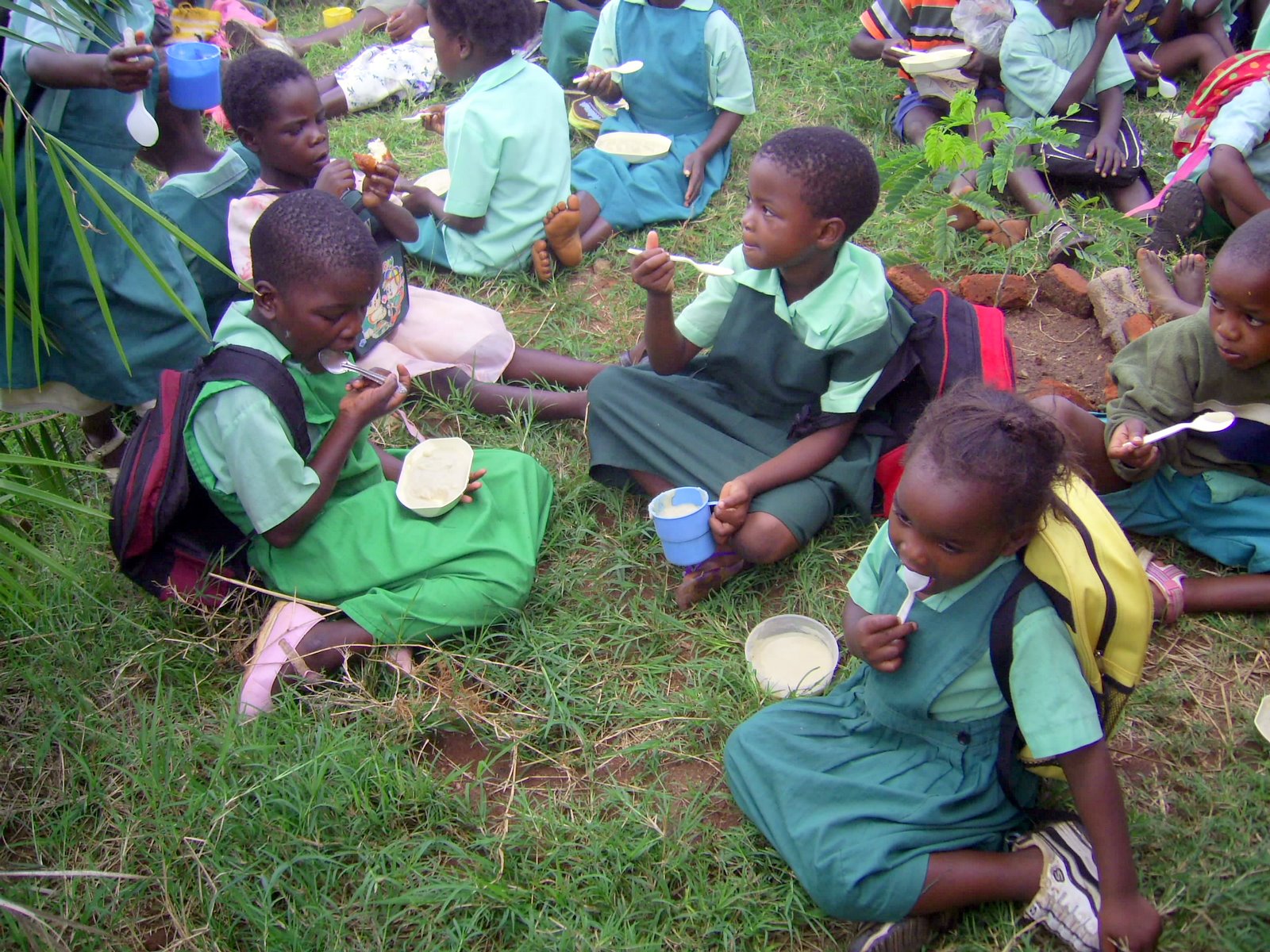
This fundraiser complements others and donations, all of which are crucial to the feeding programme and assistance for the 300 children attending the Catholic School of Mt Silize. The children– 40 of which are orphans are reliant entirely on our funding for their daily school breakfast, school books, school fees and to allow 15 boys and girls to attend secondary and post secondary school.

Thursday, May 27, 2010

LETTER FROM FR TAYLOR

Dear Lindsay and the Malawi Support Group,

Greetings from Malawi. Your continuous generosity to support the children and schoolgoers is a constant source of wonder to us in these difficult times. It gives us strength to continue the Lord’s work in caring for his poor ones.
I received your most generous donation of $3,500 on 29th March. It enables us to continue the feeding programme for the 300 children, including 40
orphans, buy school books and pay school fees for 15 boys and girls who go to secondary and post secondary school. Thank you all for your
generosity. With God’s blessings
Fr. Francis Taylor.

Tuesday, November 10, 2009

2009 REPORT TO THE PARISH

On behalf of the committee I am pleased to report another splendid year's fundraising which was only marginally below previous years helped by some very generous donations.

This year our funding as previously outlined is directed towards humanitarian type projects identified and confirmed with Fr Taylor whilst I was in Malawi.

Activities this year

Our Crazy Whist night was again held in the hall and continues to be an enjoyable social event.

We were entertained and danced to the wonderful music of the "The Degenerates" who donated their services for a sixties dinner dance.

A presentation luncheon serving Malawian cuisine in the gathering area afforded the opportunity to expand on aspects of my Malawian visit.

Our theatre night continues to be an enjoyable experience and this year’s comedy play's performance was outstanding albeit our attendance numbers continue to fall.

Raffles continue to be popular successful fundraisers.

At our AGM current office bearers confirmed their continuance for the 2010 year.

Tuesday, September 01, 2009

PRESENTATION TO OLHC- ELTHAM

A comprehensive presentation was made on the 15th August 2009 (with the help of a DVD ) to the parish. The presentation was followed by a lunch prepared by the support group members with the emphasis on Malawian flavours. Those who attended gave generous donations. One member – by courtesy of Wikipedia- also presented his research findings about Malawian food just before we sampled all of the delicious dishes.
His presentation is listed below for those who may be interested:

Malawian Food

Despite its natural riches, Malawi remains a very poor country. In this little country most people are subsistence farmers. This means they grow most of their own food in small gardens. If a family has extra food, they take it to market to trade for other necessities. Malawi cuisine has remained largely free of culinary influences from the outside world, until the late 19th century, with the exception of the use of cassava, Peanut, and chilli pepper plants which arrived along with the slave trade during the early 1500s. These foodstuffs have had a large influence on the local cuisine, but less on the preparation methods. Malawi cooking has remained mostly traditional.

The staple food in Malawi is Nsima (which is the Malawian equivalent of Zambian Nshima and is made either from cornmeal, maize or ground, dried, cassava.) Nsima is a thick porridge that can be moulded into patties and served with either beans, meat, or vegetables collectively called Ndiwo. Other Malawian dishes are prepared with rice, cassava or potatoes. However, the keystone of any traditional Malawian meal is starch; the relish is a secondary element intended to give flavour to the food. Because the Malawi people have always been farmers, this meal is highly regarded because it gives the necessary energy to work in the field all day.

So all over Malawi, the meal is composed of two main dishes: the starch (Nsima) and the relish (Ndiwo). While the recipe for starch is mostly the same all over Malawi, the relish is very different from region to region. In the east of Malawi, it is made mostly from vegetables, as meat is expensive and most people can’t afford it. The basic ingredients in this region are rice and foutou (massed plantain and cassava) and fufu (fermented cassava). A variety of local ingredients are used while preparing other dishes like spinach stew, cooked with tomato, peppers, chillies, onions and Peanut butter. Cassava (manioc) plants are also consumed as green salad. A traditional recipe for the basic vegetable Ndiwo includes Onion, tomatoes and green vegetables, especially cassava.

The Malawi Lake, located in the eastern regions of Malawi, is a great source of various types of Fish. The main types are Chambo, Mlamba (Catfish), Usipa, and Kampango. The people that live around the lake use the fish to cook delicious relishes and other foods. A traditional Ndiwo made from fish is the Curried Chambo fish. The main ingredients for this dish are: fish fillets, lemon juice, flour, onions, curry powder, fruit chutney and carrots. Chambo (Tilapia fish) is the country’s speciality and the main lake delicacy. Another traditional food is Wali wa samaki, made from salmon, vermicelli, Onion, carrots, rice and seasonings.

In Malawian cuisine there are some exotic recipes based on insects. These dishes have different preparation methods than other dishes. Ana a Njuchi (wild bee larvae) are dried and then fried with salt and dried again. They are served as a relish or appetizer. To cook bwamnoni (large green bush crickets) you have to remove wings and horned part of legs. After that, boil them in water for five minutes, then dry in the sun. Fry with a little salt and a little fat if desired. This dish is served as an Ndiwo relish. The nsensenya (shield bugs) are washed and fried with a little salt until they are brown and also served as a relish.

Special Equipment for Malawian Cooking

The Malawian cooking methods are basic ones and you don’t need any special equipment to cook any of the dishes in the Malawi cuisine. Your everyday cooking pots and pans are enough to cook a complete Malawian meal. However, if you want a true Malawian food experience, you should know that cooking is still done the traditional way in Malawi. In the vast majority of Malawian homes, food is cooked over a wood fire using a tripod made of three supporting stones. Women (and children helpers) are responsible for everything concerning the food from market shopping to dish washing. As Nshima is eaten with the hands, everyone washes in a communal bowl before and after the meal. Many Malawians have mud stoves outside of the house, where they cook bread. Since Nshima and Ndiwo are the essential elements of the Malawian cuisine, there are some special tools used when cooking these dishes. One of these tools is mthiko, the cooking stick that is specially made for cooking Nshima and Ndiwo.
Wednesday, June 17, 2009

ST KIZITO CHOIR


St Kizito choir rehearsals. At all of the Masses and within the christian communities singing is an integral and beautiful part of the ceremonies.